

Mid-Project Report: CASALE
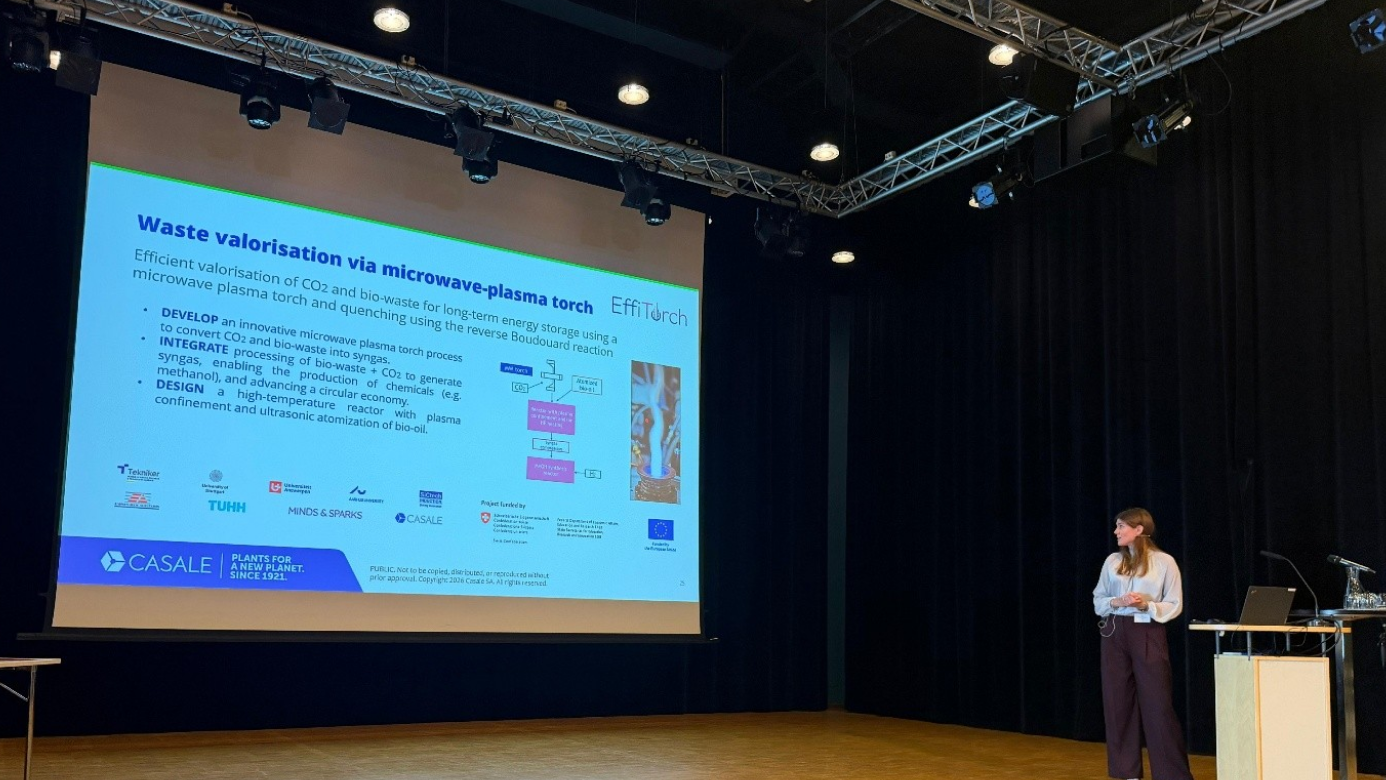
Over the past two years, Casale’s contribution to the project has focused on building the foundations required for the successful validation and future industrial exploitation of an innovative plasma-based technology for converting carbon dioxide and low-value biomass residues into syngas. While the most significant experimental activities are planned for the final year of the project, progress has already been achieved in preparing the necessary infrastructure, understanding the innovation landscape, and defining future exploitation pathways.
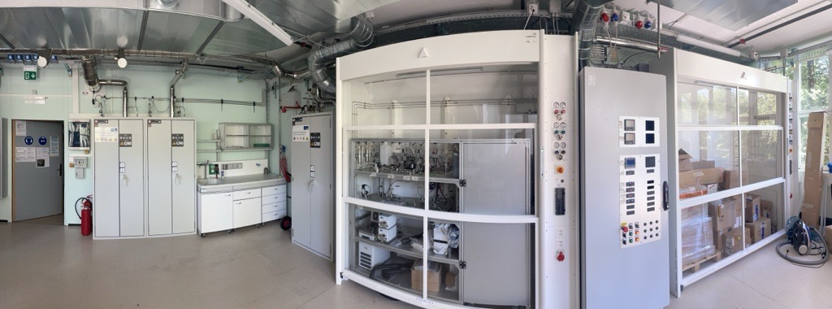
A key achievement has been the preparation of the laboratory environment that will host the experimental setup. Dedicated gas distribution lines, ventilation systems, and safety equipment have been installed, including a new fume hood and supporting infrastructure. These activities are essential to ensure that future testing campaigns can be conducted safely and efficiently, providing a reliable platform for technology validation at pilot scale.
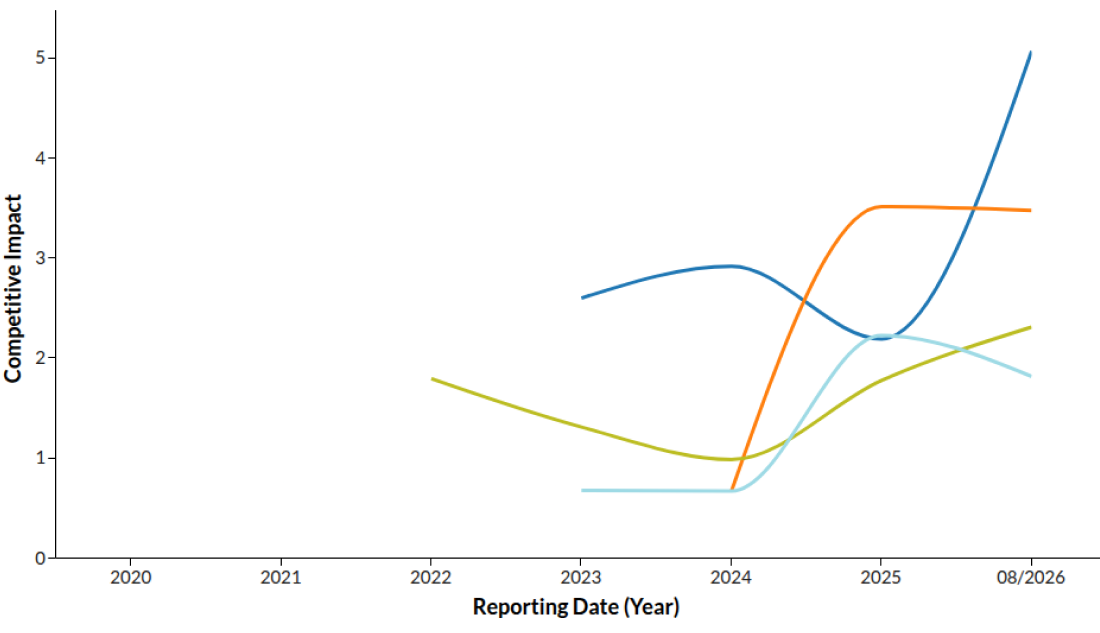
Alongside the laboratory preparation, considerable effort has been dedicated to assessing the technological and commercial landscape surrounding plasma-assisted carbon conversion. A comprehensive patent and competitor analysis was carried out using advanced intellectual property and market intelligence tools. The objective was to better understand current innovation trends, identify key industrial and research players, and evaluate how the project’s approach is positioned within the rapidly evolving field of plasma technologies.
The analysis highlighted strong and growing interest in plasma-based solutions for CO₂ utilisation, syngas generation, waste valorisation, and electrified chemical production. Researchers and companies worldwide are exploring different approaches to convert carbon-containing feedstocks into fuels, chemicals, and energy carriers using electricity-driven processes. This trend reflects the increasing importance of process electrification as a strategy to reduce greenhouse gas emissions and support the energy transition.
One of the most important findings was that, despite the considerable innovation activity observed in the field, existing technologies typically differ in terms of reactor design, plasma generation method, feedstocks, operating conditions, or target products. While several technologies show similarities with the project's objectives, no directly comparable solution combining plasma-assisted CO₂ conversion and biomass valorisation has been identified. This indicates that the project occupies a distinctive position within the current innovation landscape and has the potential to contribute novel solutions for sustainable carbon utilisation.
The patent landscape assessment also enabled the identification of key technological trends that are expected to shape future developments. These include the integration of renewable electricity with carbon conversion processes, plasma-assisted production of sustainable fuels and chemicals, advanced reactor concepts, carbon capture and utilisation strategies, and flexible processes capable of operating alongside intermittent renewable energy sources. Such developments confirm that plasma-based technologies are becoming increasingly relevant for the decarbonisation of the chemical and energy sectors.
Beyond the technical insights, the work performed so far has generated valuable information for future exploitation activities. The identification of major stakeholders, emerging competitors, innovation gaps, and potential intellectual property opportunities will support strategic decision-making and help maximise the future impact of the technology. The results suggest that the project is well positioned to contribute to the development of next-generation electrified processes that combine waste valorisation, carbon utilisation, and sustainable fuel production.
While the activities completed to date have primarily focused on preparation and strategic assessment, they represent a critical step toward the successful execution of the project. The most significant technical contributions from Casale are expected during the final project year, when the experimental setup will become fully operational and dedicated testing campaigns will generate the data needed to evaluate process performance, scalability, and industrial applicability. The work conducted so far has therefore established the necessary foundations for the upcoming validation phase and for the future deployment of this promising technology.